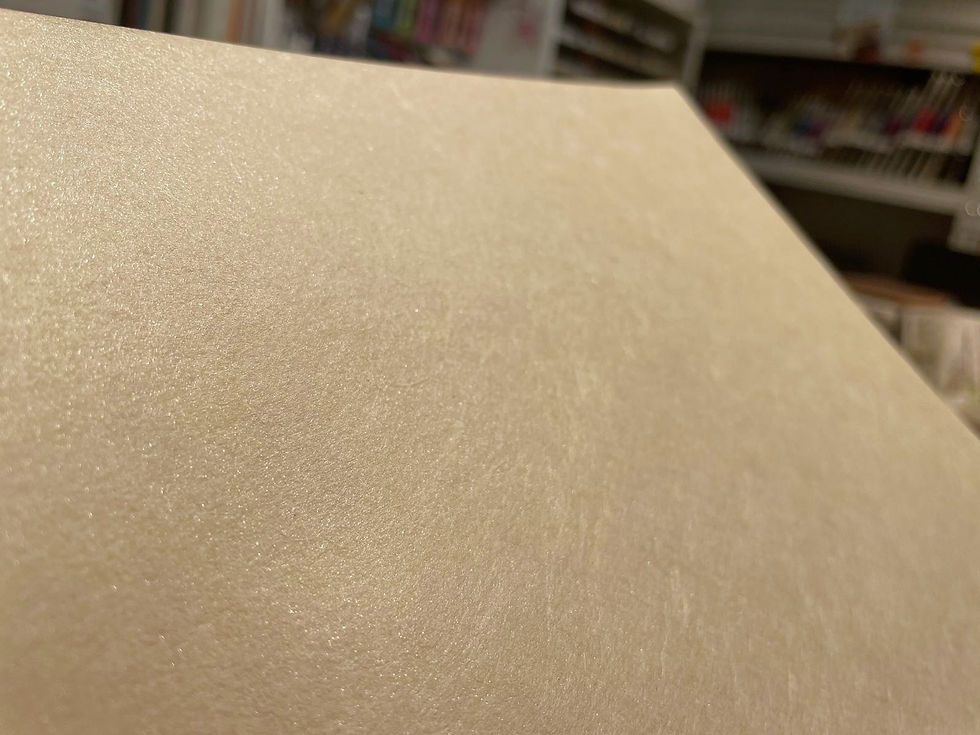
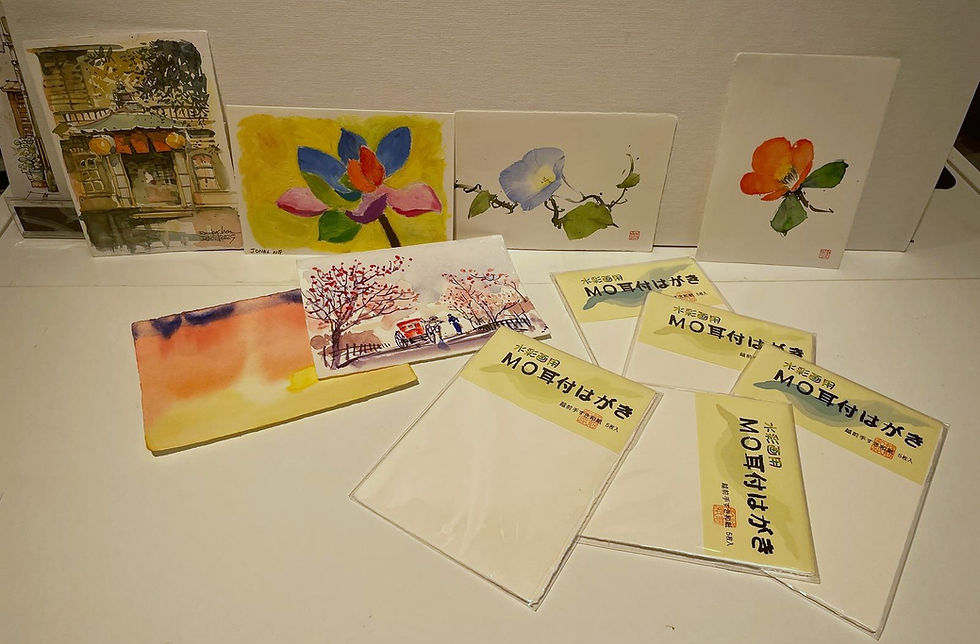
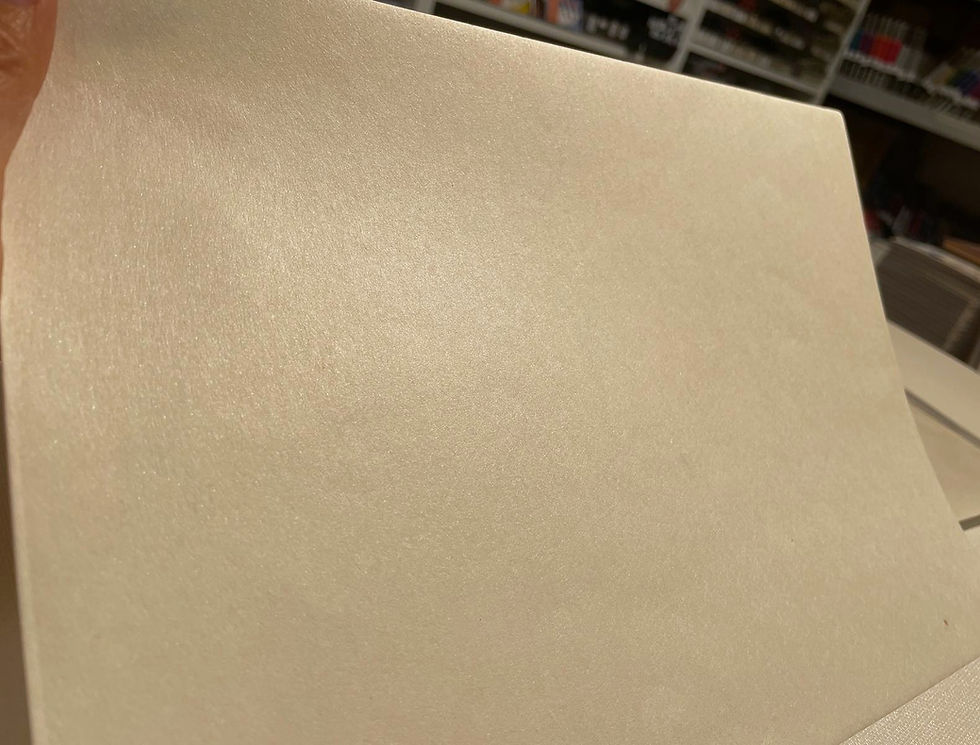
Japan made Washi / 水墨畫俳畫練習用紙25枚入Calligraphy practice paper 25p
Size: 24.2 x 27.3cm
Material: 100% wood pulp 木漿
Dosa (帶汎):No
Packing: loose sheet : 25pcs./ pack
Washi Introduction (和紙)介紹
Washi (和紙) is traditional Japanese paper processed by hand using fibers from the inner bark of the gampi tree, the mitsumata shrub (Edgeworthia chrysantha), or the paper mulberry (kōzo) bush.
Washi is used in many traditional Japanese arts, such as origami, shodō, and ukiyo-e. It was traditionally used to make various everyday goods like clothes, household goods, and toys, as well as vestments and ritual objects for Shinto priests and statues of Buddhas. It was even used to make wreaths that were given to winners in the 1998 Winter Paralympics. As a Japanese craft, it is registered as a UNESCO intangible cultural heritage.
With enough processing, almost any grass or tree can be made into a washi. Gampi, mitsumata, and paper mulberry are three popular sources.
- Ganpishi (雁皮紙): In ancient times, it was called Hishi (斐紙). Ganpishi has a smooth, shiny surface and is used for books and crafts.
- Kōzogami (楮紙): Kōzogami is made from paper mulberry and is the most widely made type of washi. It has a toughness closer to cloth than to ordinary paper and does not weaken significantly when treated to be water-resistant.
- Mitsumatagami (三椏紙): Made from mitsumata, mitsumatagami has an ivory-colored, fine surface and is used for shodō as well as printing. It has been used to print paper money since the Meiji period and continues to be used today.
In Japanese suibokuga(水墨画), sumi-e (墨絵, ink painting), ukiyo-e and nihonga (traditional Japanese painting), washi is still used even today.
In Japanese calligraphy (shodō, 書道), washi is still widely used today.
Washi is also used in watch dials
Japan made Washi / 水墨畫俳畫練習用紙25枚入 Calligraphy practice paper 25p
Removal Discount 12% off